
 SignatureGrowth
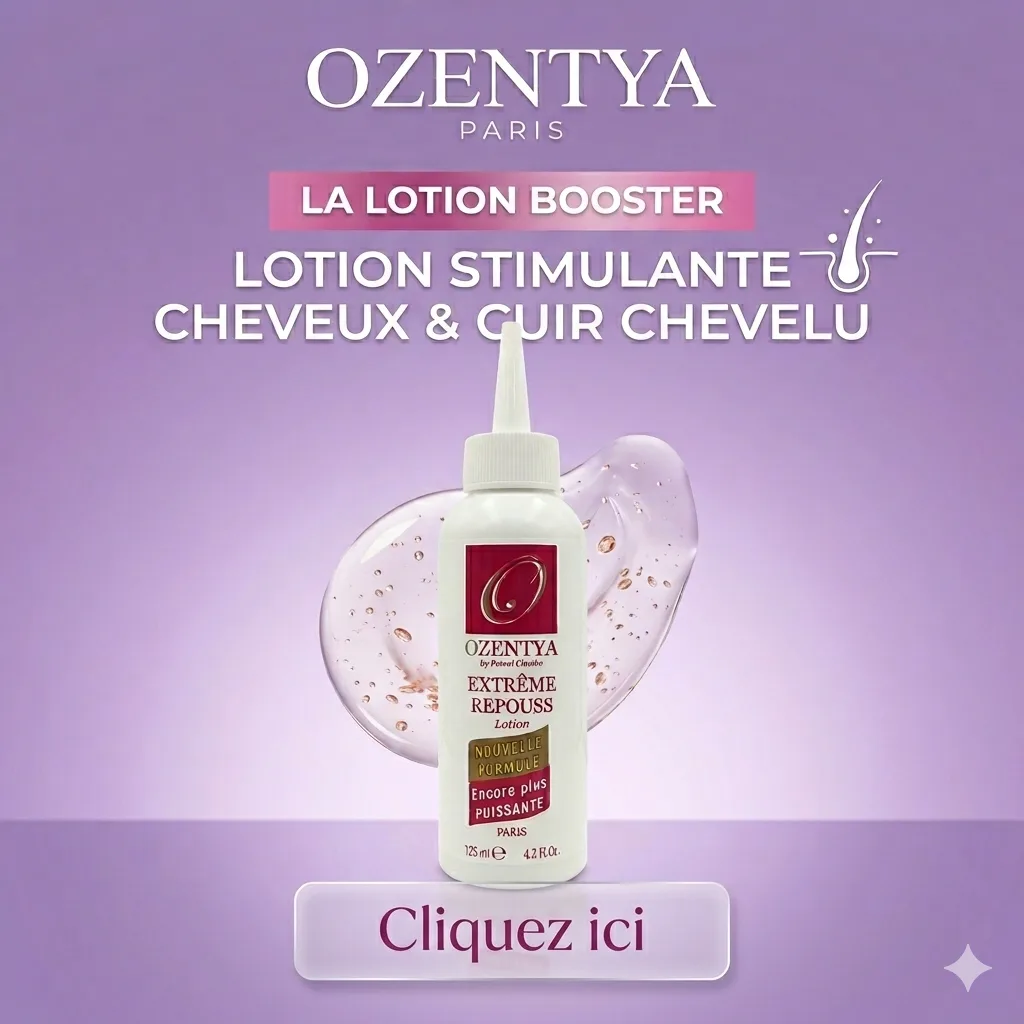
Extrême Repouss Serum
The booster lotion: cares for the scalp and for fragile hair.
125 mlIn stock
€16.99
Hair loss guide · Ozentya, since 2011
It is one of the most common causes of hair loss in women of African descent, and one of the most preventable. Protective styles protect the lengths, but when they pull too hard or for too long on the roots, the follicles suffer. This guide helps you recognise the signs, adapt your hairstyles and look after your scalp.
In short
Traction alopecia is hair loss caused by repeated tension on the roots: braids, weaves, cornrows, buns or very tight ponytails. It mostly affects the temples and the hairline. Caught early, removing the tension is the first step; when it has been there for a long time it can become permanent and should be seen by a dermatologist.
This is cosmetic and hair-care advice. It does not replace the opinion of a doctor or dermatologist. Results vary from person to person.
Each hair sits in a follicle. Occasional pulling is not a problem; repeated pulling, day after day, irritates and inflames the follicle and can end up weakening it. The result is gradual thinning where the tension is strongest: temples, front hairline, nape and around the ears. It sets in slowly, over months or years, which is why it is often noticed late, when comparing old photos. Afro hair is more exposed because protective styles are often installed tight to last, and kinky hair is fragile at every bend.
During and after an install: pain, a pulling feeling, headaches, trouble sleeping, small bumps or crusts at the base of the braids. Over the long term: a receding hairline, sparse temples, short fine hairs along the edges, scalp visible around the braids, a widening part. The earlier you act, the better your chances of keeping your roots.
The style itself is not the problem; tension, weight and duration are. Very tight cornrows, weaves sewn onto tight braids, heavy extensions, buns and ponytails pulled back, edges slicked down every day and wigs fixed with glue or combs along the hairline carry the most risk.
1. Loosen and take breaks: remove a style that hurts and leave at least two to four weeks between installs. 2. Free the hairline: ask your stylist not to include the fine hairs of the temples, and leave your edges natural several days a week. 3. Look after the scalp: gentle washing, fingertip massage and a scalp lotion applied regularly on the areas concerned; see our temples and edges guide. 4. Track with photos: one photo of your temples per month, in the same light, shows objectively whether things are stabilising.
If thinning continues after the tension has stopped, if the skin becomes smooth and shiny, or if you have patches, itching or pain, book an appointment. A dermatologist can confirm the diagnosis, rule out other causes and suggest suitable follow-up. Cosmetics are then used alongside, never instead.
Product pages are in French. Prices in euros; shipping to your country is calculated at checkout.
SignatureGrowthThe booster lotion: cares for the scalp and for fragile hair.
125 mlIn stock
€16.99
 Care SetGrowth
Three Extrême Repouss lotions for a complete routine for fragile, shedding-prone hair.
3 × 125 mlIn stock
€45
 Growth
 support, volume and lightness for fine hair.
125 mlIn stock
€16.99
 Growth
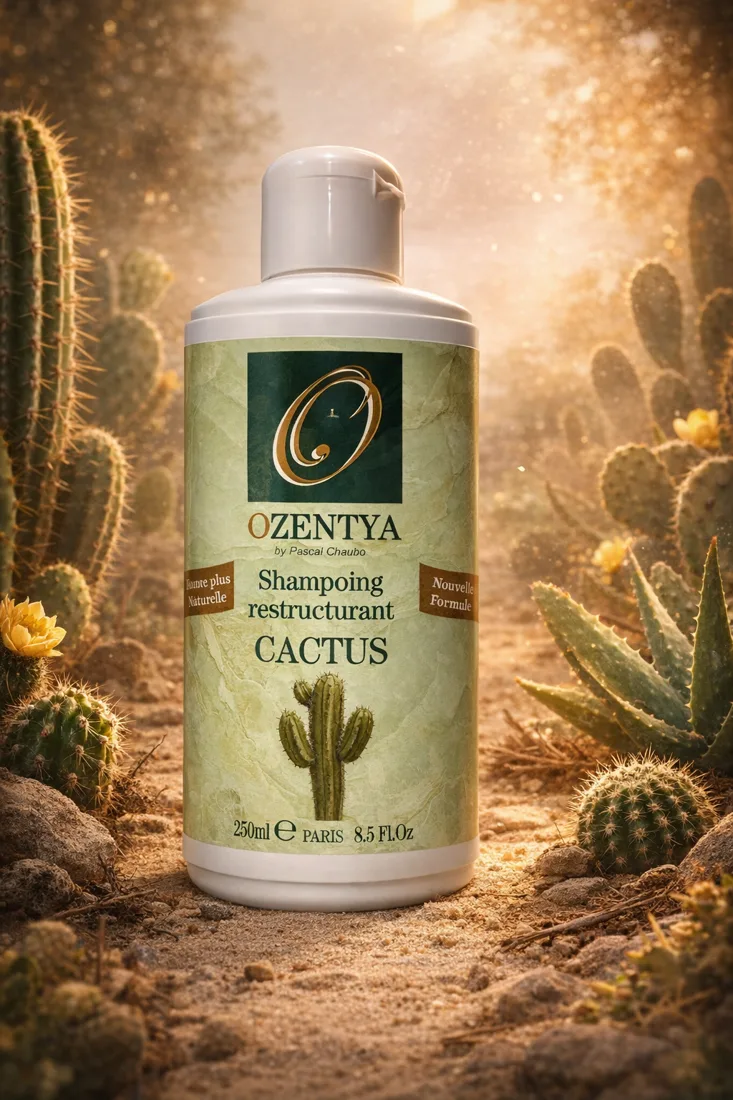
Cleanse, fortify and support healthy-looking growth with the power of cactus.
250 mlIn stock
€16.99
 Growth
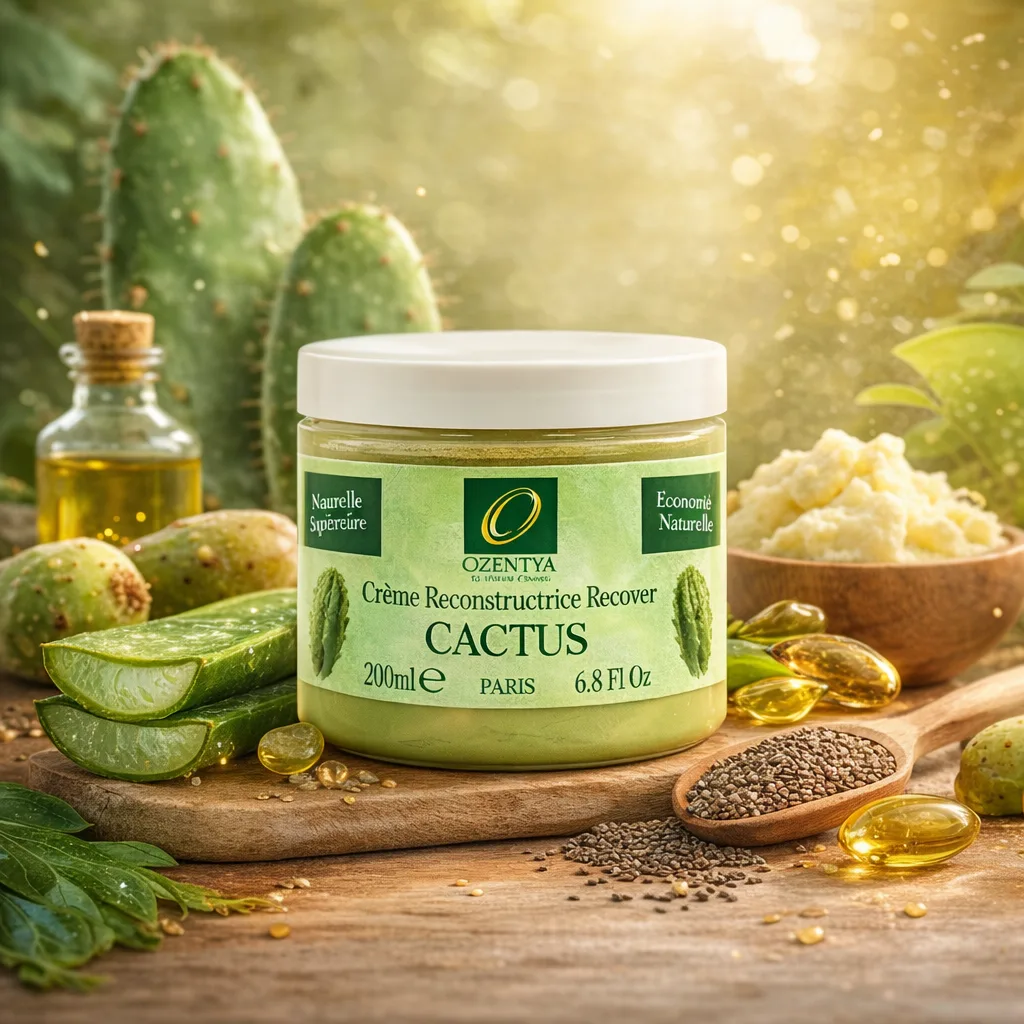
Care for fragile, shedding-prone hair and let your hair shine: the secret of cactus.
200 mlIn stock
€16.99
 PopularGrowth
A complete hair growth routine: 5 products for visible length.
In stock
€70
€85
Caught early, by removing the tension, things can improve. When it has been there for years it can become permanent. Only a dermatologist can assess your case.
There is no universal rule. Six to eight weeks with loose braids, followed by a break, is a common recommendation.
They often put less tension on the root at first, but the weight of the extensions and the duration matter too. A tight, heavy knotless braid can pull as much as any other.
No. They are cosmetics that look after the scalp. They support the routine, but the first step is removing the tension, and alopecia calls for medical advice.
Cookies
We use trackers needed for the cart and payment. With your consent, we also measure site audience to improve it. No advertising cookies. Learn more